






Procedures
Schedule a Consultation Today!
Hyperpigmentation Correction
 Hyperpigmentation is due to increased melanin pigment in the skin. Its causes are numerous and include skin trauma or inflammation, sun damage, melasma/chloasma, medication-induced changes, inherited conditions etc.
What Hyperpigmentation Treatments Does Chevy Chase Dermatology Offer?
The treatments range from topical application of bleaching agents such as hydroquinone, topical retinoids, azelaic acid, kojic acid, glabridin (licorice extract), ascorbic acid and sunscreens to receiving such in-office treatments as chemical peels, intense pulsed light therapy, microdermabrasion and laser therapy.
Dr. Sommerville will carefully evaluate your particular skin characteristics and choose the treatment option that best suits your unique needs.
More about Hyperpigmentation Correction
Laser Surgery
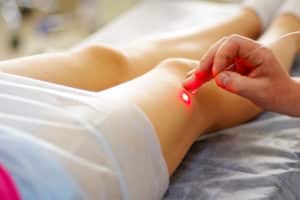 There are multiple laser and light sources available today that treat wrinkles, scars, hyperpigmentation, lentigines (brown spots), broken capillaries and other vascular lesions, stretch marks, hair growth in non-desirable areas of the body etc.
At Chevy Chase Dermatology, we will carefully listen to your concerns and choose the best treatment option for your individual needs.
Spider Vein Treatments
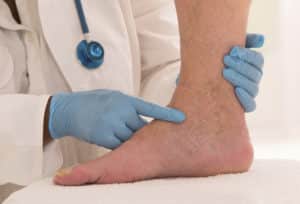
Despite significant advances in laser and light therapy, sclerotherapy remains the first-line treatment for spider veins on the legs.
How Does a Sclerotherapy Treatment Work?
After cleaning the skin with alcohol, the sclerosant solution is injected into the vessel via tiny needle followed by the application of the dressing.
What is Recovery Like After Sclerotherapy?
Patients are instructed to wear compression stockings continuously for one week following treatment. Localized burning and cramping accompanies the procedure but most patients find the discomfort tolerable.
How Many Spider Vein Treatments Will I Need?
Several treatments are necessary for most patients to achieve desired results.
What are the Side Effects of Sclerotherapy?
The side effects include hyperpigmentation, matting and rarely small ulcerations.
More about Spider Vein Treatment
Facial Redness Correction
 Facial redness is a complex problem that may stem from rosacea, contact dermatitis, seborrheic dermatitis, hormonal factors, sun damage etc. It can be diffuse or consist of multiple distinct capillaries. The best therapy depends on proper recognition of its etiology and often involves choosing a combination of medical and cosmetic approaches.
What are the Treatment Options for Facial Redness?
The medical approach may involve the use of topical or oral medications such as in the case of rosacea. The cosmetic approach involves the utilization of intense pulsed light (IPL) devices or lasers.
More about Facial Redness Correction
Laser Hair Removal
 Long term hair reduction can be achieved with intense pulsed light (IPL) treatments.
How Many Laser Hair Removal Treatments Will I Need?
Multiple treatment sessions are required spaced approximately one to two months apart depending on the area being treated, hair type and color. Touch up sessions may also be needed in the future.
Is Laser Hair Removal Painful?
Patients may expect some redness, swelling and discomfort in the treated area. Rarely, blistering may occur.

Latisse®
Since its FDA approval in December, 2008, Latisse® has become one of the highest-rated cosmetic treatments according to consumer surveys. Thanks to proven efficacy, excellent safety record, and enthusiastic support of its user and spokesperson, actress Brooke Shields, Latisse® is now one of the most requested beauty treatments in the U.S. Like many medical breakthroughs, eyelash enhancement with Latisse® had its beginnings as an accidental discovery.
What is Latisse®?
The active ingredient in Latisse®, bimatoprost solution has originally been prescribed as eye drops for glaucoma patients. In time, those using this medication discovered that their eyelashes grew longer, thicker and darker. After years of development, Allergan formulated an application method to deliver bimatoprost solution directly to the eyelashes while safely keeping it out of the eye. Such discovery paved the way for development of Latisse®. This prescription-only solution is applied nightly with sterile applicators (provided) to the upper eyelid margin at the base of the eyelashes after make-up removal.
How Long Does it Take to See My Latisse® Results?
In approximately eight weeks, one can expect thicker, longer and darker eyelashes. Our patients are absolutely delighted with the results!



